Mega Cricket World Official Website – Your Practical Guide
1. Registration and First Steps on the Mega Cricket World official website
Bangladeshi players who land on the Mega Cricket World official website will notice a clean, Bengali‑friendly layout. The sign‑up button sits at the top right, inviting you to create an account in just a few clicks. You will be asked for your email, a strong password, and a mobile number – the latter is essential for the OTP verification that protects your profile.
After you confirm the OTP, the system asks for basic personal details (name, date of birth, address). These fields are required for KYC (Know Your Customer) compliance, but you can finish the process later if you prefer to start playing straight away. When you’re ready, simply click the Mega Cricket World app download BD 2026 link to get the official mobile app – it works on both Android and iOS.
2. Bonuses & Promotions – What Bangladeshi Players Can Claim
The welcome package on the Mega Cricket World official website is designed to attract new players. First, you receive a 100% match bonus up to BDT 10,000 on your initial deposit. This is followed by a second‑deposit bonus of 50% up to BDT 5,000, and a free‑spin grant for the live casino section.
All bonuses come with standard wagering requirements – usually 30× the bonus amount. For example, a BDT 5,000 bonus must be wagered BDT 150,000 before any withdrawal is permitted. Keep an eye on the “Promotion” tab; the site rotates weekly reload bonuses, cashback offers, and a loyalty program that rewards consistent play with points redeemable for bonus cash.
3. Payment Methods & Deposit Options
Depositing money into your Mega Cricket World account is straightforward. The platform supports popular Bangladeshi payment channels, ensuring quick credit to your balance.
Bank Transfer – Direct transfer from local banks, usually processed within 10‑15 minutes.
Mobile Financial Services – Bkash, Nagad, and Rocket are integrated for instant deposits.
Visa/MasterCard – International cards are accepted, but watch for possible conversion fees.
Prepaid Vouchers – Available at many retail outlets for those who prefer cash‑based methods.
Minimum deposit is BDT 200, and the site caps the maximum at BDT 50,000 per transaction. All deposits are encrypted with SSL, and the platform verifies each transaction to prevent fraud.
4. Withdrawal Process and Speed
When it’s time to cash out, the Mega Cricket World official website offers several withdrawal routes. The fastest option for Bangladeshi users is the mobile wallet (Bkash, Nagad, Rocket), which typically processes requests within 30 minutes after approval.
Bank transfers take a bit longer – usually 1‑2 business days – while card withdrawals can require 3‑5 days depending on the issuing bank. The minimum withdrawal amount is BDT 500, and you must satisfy any outstanding wagering requirements before the request is accepted. The “Withdrawal History” page lets you track each step, from request to final settlement.
5. Mobile Experience – App and Browser Play
The Mega Cricket World official website is fully responsive, meaning you can play directly from a mobile browser without any lag. However, most players in Bangladesh prefer the dedicated app because it provides push notifications for bonus alerts and faster loading of live casino streams.
The app’s interface mirrors the desktop site, with separate tabs for Casino, Sportsbook, Promotions, and Account. It supports both Android 6.0+ and iOS 12+. For those who are wary of downloading apps, a progressive web app (PWA) is also available – just tap “Add to Home Screen” in your browser and you’ll have an icon that works offline for basic navigation.
6. Live Casino & Sports Betting Features
Live casino lovers will find a broad selection of games streamed in real time: baccarat, roulette, blackjack, and a local favorite – live cricket betting with in‑play odds. The video quality adjusts automatically to your connection, and the chat function lets you interact with dealers.
The sportsbook covers major cricket leagues, football, and even e‑sports. Bangladeshi users enjoy special cricket‑only promotions during the IPL and World Cup, where the platform offers “Bet‑and‑Refund” on selected matches. Odds are competitive, and the “Cash‑Out” feature lets you settle a bet before the event ends, locking in profits or limiting losses.
7. Security, Licensing, and Responsible Gambling
The Mega Cricket World official website operates under a license from the Malta Gaming Authority, a respected regulator that enforces strict player protection policies. All data is encrypted using 128‑bit SSL, and password storage follows industry‑standard hashing techniques.
For responsible gambling, the platform offers self‑exclusion tools, deposit limits, and a “Reality Check” pop‑up that reminds you how long you’ve been playing. If you feel you need help, the “Responsible Gaming” page lists local helplines in Bangladesh, as well as links to international support organisations.
8. Customer Support and Frequently Asked Questions
Customer service is available 24/7 via live chat, email, and a dedicated phone line for Bangladeshi players. The live‑chat widget appears at the bottom right of the Mega Cricket World official website, and response times are usually under two minutes.
The FAQ section covers the most common queries: “How do I verify my account?”, “What are the wagering requirements for the welcome bonus?”, and “Why was my withdrawal delayed?”. If you cannot find an answer, the support team can share screenshots and step‑by‑step guides through the chat.
9. Quick Comparison Table
Feature
Details for Bangladesh
Welcome Bonus
100% up to BDT 10,000 + 50% on second deposit
Payment Methods
Bkash, Nagad, Rocket, Bank Transfer, Visa/MasterCard
Withdrawal Speed
Mobile wallet: < 30 min, Bank: 1‑2 days, Card: 3‑5 days
First‑time visitors from Bangladesh will notice the clean layout of the JW8 website. Clicking the “Register” button opens a short form that asks for name, email, phone number and a secure password. After submitting, you will receive a verification code via SMS – a step that doubles as a quick KYC (Know Your Customer) check. Once the code is entered, the account becomes active and you can immediately explore the JW8 app demo mode.
It is advisable to fill out the optional profile fields (date of birth, address) before you try to claim any welcome bonus. This avoids a later request for additional documents and speeds up the first withdrawal. For players who prefer a faster route, many Bangladeshi users start with a Bkash deposit, which is supported directly on the platform.
Mobile Experience: JW8 App Interface and Performance
The JW8 app is built on a hybrid framework, meaning it feels native on both Android and iOS while still being lightweight. Loading times are usually under three seconds on a 4G connection in Dhaka, and the navigation menu hides unnecessary clutter. Games are organized into clear tabs – Casino, Live Casino, Sports, and Promotions – so you never have to hunt for a slot.
Touch‑friendly controls let you place bets with just a few taps, and the app remembers your last bet size for faster repeat wagering. Battery consumption is modest, which is a plus for players who like to gamble on the go. If you ever need to switch to the desktop version, the same account credentials work seamlessly.
Bonuses and Promotions – What Bangladeshi Players Can Expect
JW8 offers a tiered welcome package that is especially generous for new players using the app. The first deposit bonus matches 100 % up to BDT 10,000 with a 30× wagering requirement on casino games. A second‑tier bonus adds a 50 % match on the second deposit, plus 20 free spins on a popular slot.
Beyond the welcome bonus, regular promotions include reload bonuses, cashback on sports bets, and weekly tournament entries. All bonuses are displayed on the “Promotions” tab of the JW8 app, with clear terms so you can see the minimum odds, eligible games, and expiration dates.
Bonus Type
Match %
Max Amount (BDT)
Wagering Requirement
Welcome Deposit
100 %
10,000
30× (casino)
Second Deposit
50 %
5,000
25× (sports)
Weekly Cashback
10 %
2,000
None
Payment Methods & Bkash Deposits
Bangladeshi players have several safe ways to fund their JW8 account. The most popular is Bkash, which lets you transfer money instantly from your mobile wallet to the casino. Other options include Visa, Mastercard, and local bank transfers, all of which support the Bangladeshi Taka (BDT).
To make a Bkash deposit, simply open the “Cashier” section in the JW8 app, choose Bkash, enter the amount and confirm the OTP sent to your phone. The funds appear in your gaming balance within seconds, allowing you to jump straight into live casino or sports betting. For those who prefer card payments, the platform uses a PCI‑DSS compliant gateway, ensuring that card details never touch the casino’s servers.
When you’re ready to withdraw, the same methods apply, though withdrawals to Bkash may take up to 24 hours due to banking regulations.
Game Selection: Casino, Live Casino, and Sports Betting
The JW8 app hosts a library of over 1,500 casino titles, ranging from classic three‑reel slots to high‑RTP video slots with volatility options. If you love the atmosphere of a real table, the Live Casino section streams real dealers in Bangla and English, with games like Blackjack, Roulette, and Baccarat.
Sports enthusiasts can place bets on cricket, football, and even local Bangladesh leagues. The sportsbook offers both pre‑match and in‑play betting, with live odds updating every few seconds. Each market displays the RTP (Return to Player) where applicable, helping you make informed decisions.
Top slots: Mega Moolah, Starburst, Book of Dead
Live table games: Live Blackjack, Live Roulette, Live Baccarat
Sports coverage: ICC Cricket, English Premier League, Bangladesh Premier League
Withdrawal Process and Speed
Withdrawing winnings from the JW8 app is straightforward but follows a mandatory KYC verification step. After you submit a withdrawal request, the support team checks your identity documents – typically a national ID and a recent utility bill.
Once verified, most withdrawal methods process within 1–3 business days. Bkash withdrawals are usually completed within the same day, while bank transfers can take up to 72 hours. The platform does not charge a fee for withdrawals, but your bank might levy a small handling cost.
To avoid delays, always double‑check that the name on your withdrawal account matches the name on your verified ID.
Security, Licensing, and Responsible Gambling
JW8 operates under a license from the Malta Gaming Authority, a regulator known for strict player protection standards. All data transmission is encrypted with SSL 256‑bit technology, making hacking attempts virtually impossible.
For responsible gambling, the app includes self‑exclusion tools, deposit limits, and a “cool‑off” period that you can activate directly from your account settings. If you ever feel you need extra help, the support team can connect you with local counseling services in Bangladesh.
These security and responsible‑play features make the JW8 app a safe environment for both casual players and serious gamblers.
Customer Support and Frequently Asked Questions
JW8 offers 24/7 customer support via live chat, email, and a dedicated phone line for Bangladeshi users. Response times are typically under two minutes for chat queries, and the support agents are fluent in English and Bangla.
Common questions include “How do I verify my account?”, “What are the wagering requirements for the welcome bonus?” and “How can I set a deposit limit?”. All answers are compiled in a searchable FAQ section inside the app, which reduces waiting time if you prefer self‑service.
Verify your account – upload a scanned ID and a recent utility bill.
Claim bonuses – navigate to Promotions and click “Claim”.
Set limits – go to Settings → Responsible Gambling.
Contact support – click the chat icon on the bottom right of the app.
Growing Food That Lasts: A Friendly Guide to Sustainable Perennial Agriculture
Sustainable perennial agriculture is reshaping how we think about food production by growing crops that return year after year, protecting soil health and boosting biodiversity. This regenerative approach reduces erosion and input costs while building resilient landscapes that thrive season after season.
What Perennial Agriculture Means for Long-Term Food Systems
Imagine a farm that doesn’t need to be replanted every year—where deep roots hold the soil through storms, and harvests return season after season with less tillage and fewer inputs. That is the promise of perennial agriculture, a model that treats food production more like a thriving ecosystem than a factory floor. By investing in long-lived crops and diverse polycultures, growers can build long-term food system resilience against drought, erosion, and market shocks. The approach also supports regenerative soil health and steadier yields over time. As the 2026 policy conversations increasingly emphasize climate-smart farming, perennial systems offer a patient, place-based path toward food security that rewards stewardship across generations.
Defining Perennial Crops Versus Annual Cropping Models
Imagine a farm that doesn’t start from scratch every spring. That’s the promise of perennial agriculture: food systems built on crops that regrow year after year, from fruit trees to deep-rooted grains. For long-term food security, this shift matters because perennial agriculture builds resilient food systems by protecting soil, holding water, and reducing the constant cycle of replanting and disturbance. Farmers gain stability, harvests spread across seasons, and landscapes suffer less erosion. It’s not a quick fix, but a patient investment—one where the land gives back more each passing year.
Ecological Benefits of Deep-Rooted Polyculture Systems
Perennial agriculture is basically farming with crops that come back year after year instead of replanting every season. Think fruit trees, berry bushes, and deep-rooted grains that hold soil in place and build healthier dirt over time. For long-term food systems, this matters because it cuts down on erosion, saves water, and reduces the constant cycle of tilling and replanting. Farmers spend less on inputs and get more stable yields once plants mature. The catch is patience—perennials often take a few seasons to produce. Still, building resilient food systems around perennials means less vulnerability to drought and soil degradation, which is exactly what we need for feeding people decades down the road.
How Perennial Farming Supports Soil Health and Carbon Storage
Perennial agriculture centers on crops that regrow year after year, such as fruit trees, berry shrubs, and perennial grains, rather than requiring annual replanting. This approach supports long-term food system resilience by building soil health, reducing erosion, and deepening root systems that retain water and nutrients. Farmers face lower input costs and less soil disturbance over time, while diversified perennial polycultures can buffer against weather extremes and market shocks. By 2026, interest in perennial systems continues to grow as growers seek alternatives to input-intensive annual cropping. Though establishment takes longer and requires patient investment, perennial agriculture offers a pathway toward regenerative, stable food production that sustains both land and communities across generations.
Designing a Perennial Farm From the Ground Up
Designing a perennial farm from the ground up begins with observation: mapping sun, water flow, soil texture, and existing vegetation before a single plant goes in. Start with perennial polyculture design, layering canopy trees, shrubs, herbaceous perennials, groundcovers, and root crops so each niche supports the others. Build soil fertility through cover crops, compost, and mulches rather than synthetic inputs, and choose species adapted to your climate and market. Water management—swales, berms, and thoughtful irrigation—should be planned early, since retrofitting is costly. In 2026, growers also weigh perennial systems for long-term resilience as input costs and climate variability reshape planning. The result is a farm that matures into a self-reinforcing ecosystem, producing food, habitat, and profit with less annual tillage.
Site Assessment and Climate Matching for Perennial Plantings
Designing a perennial farm from the ground up begins with reading the land: mapping sun exposure, water flow, soil texture, and existing vegetation before planting a single species. Growers typically start with perennial farm planning that layers functions—windbreaks, nitrogen-fixing plants, fruiting shrubs, and ground covers—so each element supports the others. Soil improvement, access paths, and irrigation are best established early, since perennial systems are difficult to restructure once roots mature. A phased approach lets farmers observe results, adjust plant guilds, and expand slowly, reducing risk while building long-term soil health and biodiversity.
Layering Canopy, Understory, and Groundcover Species
Designing a perennial farm from the ground up begins with observing the site’s soil, water flow, sun exposure, and existing vegetation before planting anything. A **whole-site permaculture design** lays out zones for annuals, perennials, orchards, and livestock so each element supports the others. Start with soil building through cover crops and compost, then select climate-appropriate perennial species with staggered harvest times. Water storage, access paths, and windbreaks should be planned early to reduce long-term maintenance. Begin with a small pilot plot to test assumptions before scaling up.
Water Management Strategies for Long-Lived Crop Systems
Designing a perennial farm from the ground up begins with observing the land for a full season before breaking ground, noting sun paths, water flow, and existing vegetation. Perennial farm planning then layers function: deep-rooted nitrogen fixers, fruit and nut trees, berry shrubs, and herbaceous ground covers that mature into a self-sustaining polyculture. Build soil first with compost, mulch, and cover crops, since perennials reward patience with decades of harvests. Map water catchment and swales to hydrate the system passively, and place windbreaks early to protect young plantings. Start small, plant densely, and expand only as each guild proves resilient.
Best Perennial Food Crops to Plant in 2026
If you’re planning a resilient edible garden for 2026, perennial food crops are where it’s at—plant once, harvest for years. Think asparagus, which rewards patience with decades of spears, or rhubarb, a cold-hardy champion that keeps on giving. Berry bushes like blueberries and raspberries are solid picks, and fruit trees such as apple and pear anchor any long-term plan. Don’t overlook lesser-known gems like sunchokes and sorrel, which thrive with minimal fuss. Sustainable perennial agriculture isn’t just trendy—it saves water, builds soil, and cuts down on replanting chores.
Choosing perennials means your garden gets better and more productive over time, not harder to manage.
Pick varieties suited to your climate zone and you’ll be set for low-maintenance harvests season after season.
Top Nut and Fruit Tree Varieties for Temperate Regions
For 2026, focus on resilient, low-maintenance perennials that deliver reliable yields. Top perennial food crops include asparagus, which produces for decades once established; rhubarb, tolerant of cold and shade; and Jerusalem artichokes, prolific in poor soils. Berry plants such as raspberries and blackberries offer dependable summer harvests, while fruit trees like apples and pears reward long-term planning. Perennial herbs, including thyme and chives, provide steady culinary supply with minimal care. Choose species suited to your hardiness zone and soil conditions, and plant in the correct season to establish strong root systems. Planning ahead remains the most reliable strategy for any perennial planting.
Perennial Vegetables and Herbs Worth Growing This Year
Imagine harvesting asparagus from the same bed for twenty years. That’s the quiet magic of perennial food crops—plant once, reap for decades. In 2026, gardeners seeking resilience should look to asparagus, rhubarb, and Jerusalem artichokes, all hardy and low-maintenance. Add sorrel for tangy greens and walking onions for effortless yields. These crops reward patience: the first year sleeps, the second creeps, the third leaps. Choose a sunny, well-drained spot, amend soil deeply, and mulch generously. Avoid disturbing established beds. For small spaces, consider perennial kale or berry bushes. A well-planned perennial patch reduces annual replanting, builds soil health, and feeds your table season after season.
Berry and Shrub Selections for Small-Scale Growers
For resilient, low-maintenance harvests in 2026, prioritize best perennial food crops that establish deep roots and return reliably year after year. Asparagus and rhubarb deliver decades of spring yields from a single planting, while globe artichokes and Jerusalem artichokes excel in sunny, well-drained beds. Perennial kale and sorrel provide dependable leafy greens, and berry-bearing shrubs like currants and gooseberries round out a productive edible landscape. Choose cultivars matched to your hardiness zone, amend soil generously before planting, and mulch to conserve moisture and suppress weeds.
Perennial Grain and Cereal Alternatives
On a windswept hillside, a farmer once knelt to examine a stand of intermediate wheatgrass, its roots threading deep into the soil like patient fingers. Unlike annual cereals that demand replanting each season, perennial grain alternatives such as Kernza, perennial rice, and silphium promise harvests that return year after year while shielding soil from erosion and building organic matter. The story of these crops is one of quiet persistence—scientists and growers breeding wild grasses into viable food sources, chefs experimenting with their nutty flavors, and communities reimagining sustainable perennial agriculture as a bridge between ecology and the dinner table. In 2026, as interest in regenerative food systems deepens, these grains remain a work in progress, yet their rooted resilience hints at a future where fields need not be sown anew each spring.
Intermediate Wheatgrass and Kernza Development
Perennial grain and cereal alternatives include crops such as intermediate wheatgrass (Kernza), perennial rice, sorghum hybrids, and perennial rye that can be harvested for grain while regrowing after each season. Their deep root systems may reduce soil erosion, improve water infiltration, and lower input requirements compared with annual cereals. Researchers continue breeding these species to improve yield, seed size, and milling quality, though agronomic and processing challenges remain. Interest in perennial grain and cereal alternatives reflects growing attention to sustainable food systems and diversified rotations. These crops can complement rather than replace conventional staples, offering farmers options for marginal land, forage integration, and reduced tillage while supporting long-term soil health.
Perennial Rice and Sorghum Research Updates
Perennial grains and cereal alternatives offer a sustainable approach to food production by reducing soil disturbance and input needs compared with annual crops. These plants can be managed with fewer passes over the field, which may support soil health and long-term productivity. Examples include intermediate wheatgrass and perennial rice, alongside alternatives such as buckwheat and millet used in diverse rotations. Perennial grain and cereal alternatives remain an active area of research and development, with ongoing work on yields, processing quality, and regional adaptation. Perenniality is a defining trait that distinguishes these crops from conventional annual cereals.
Challenges in Scaling Perennial Grain Production
Perennial grain and cereal alternatives include crops such as intermediate wheatgrass (Kernza), perennial rice, and perennial sorghum, which are bred to survive multiple growing seasons rather than requiring annual replanting. Their deep root systems can reduce soil erosion, improve water infiltration, and lower fuel and labor inputs compared with conventional annual cereals. These crops are being developed for food uses including flour, baking, and brewing, though yields and grain quality often remain below established annual varieties. Perennial grain crops therefore represent a promising but still-developing option for more sustainable grain production, and their commercial availability and performance continue to be evaluated.
Integrating Livestock With Perennial Landscapes
Integrating livestock with perennial landscapes creates resilient, low-input systems where animals cycle nutrients, control weeds, and reduce mechanical inputs while perennials protect soil and water. Rotational grazing is the cornerstone: match stocking rates to forage growth, provide long rest periods, and keep animals off saturated or drought-stressed pastures. Silvopasture and alley cropping diversify income and shade livestock, but plan for fencing, water access, and tree protection before stocking. Perennial forage mixes with legumes cut fertilizer dependence and extend grazing seasons. Monitor soil compaction, browse damage, and parasite pressure, and adjust paddock size and timing accordingly.
Never introduce livestock until fencing, water, and forage capacity are proven adequate for the full grazing season.
Silvopasture Systems for Cattle and Sheep
Integrating livestock with perennial landscapes creates resilient, low-input systems that mimic natural grazing patterns. Managed rotational grazing on perennial pastures improves soil organic matter, water infiltration, and biodiversity while reducing reliance on supplemental feed. Match stocking rates to forage growth, provide shade and water access, and use temporary fencing to control timing and intensity of grazing. Silvopasture systems combine trees, forage, and animals for diversified income and improved microclimate. Plan rest periods that allow plants to recover, and monitor soil and pasture health regularly. Observe animal behavior and pasture response before increasing stocking density. Well-designed integration supports long-term productivity and landscape health.
Rotational Grazing Under Tree Canopies
Integrating livestock with perennial landscapes creates resilient, low-input farming systems that mimic natural grazing patterns. By rotating animals through orchards, silvopastures, and native grasslands, producers cycle nutrients, control weeds, and reduce reliance on synthetic inputs while improving soil health. This regenerative grazing approach boosts biodiversity and carbon sequestration, turning marginal land into productive pasture without sacrificing long-term ecological stability.
Poultry and Perennial Forage Synergies
Integrating livestock with perennial landscapes creates resilient, productive systems that mimic natural grazing patterns. Animals recycle nutrients, control weeds, and reduce reliance on synthetic inputs while perennials protect soil, conserve water, and provide year-round forage. This synergy builds regenerative grazing systems that boost biodiversity and farm profitability.
Well-managed livestock on perennial land can transform degraded pastures into thriving ecosystems.
Farmers can adopt practices such as:
Rotational grazing to prevent overgrazing and restore pasture health
Silvopasture combining trees, forage, and animals for shade and diversity
Planting deep-rooted perennials to improve soil structure and carbon storage
These approaches enhance drought resilience and reduce erosion while supporting animal welfare. By matching stocking rates to land capacity and monitoring forage growth, producers can sustain long-term productivity and ecosystem services.
Economics and Profitability of Perennial Operations
Perennial operations reshape the economics of farming by spreading establishment costs across multiple harvest cycles, which fundamentally alters cash-flow planning and risk exposure. Growers evaluating perennial crop profitability must account for delayed returns during the establishment phase, followed by lower annual input costs for tillage, seeding, and replanting once systems mature. Diversified perennial systems can stabilize revenue through multiple income streams and reduce vulnerability to single-market price swings, while improved soil health and reduced erosion support long-term asset value. By 2026, as input prices and carbon-related incentives continue to evolve, careful enterprise budgeting and whole-farm analysis remain essential. Expert assessment should weigh transition costs, opportunity costs of land, and market access against the durable yield and resilience advantages that sustainable perennial agriculture can deliver over time.
Startup Costs and Time-to-Yield Considerations
Perennial operations—think orchards, vineyards, berry patches, and agroforestry—demand serious upfront capital, but they pay it back through long-term profitability and lower annual input costs. Once established, you skip replanting every season, which saves on seed, tillage, and labor. The trade-off? You wait years for first harvest, so cash flow planning matters. Diversifying with intercrops or value-added products helps bridge that gap. Patience really is the secret ingredient here. Looking ahead to 2026, rising demand for perennial-based goods like wine, nuts, and specialty fruit keeps margins attractive for growers who plan carefully and manage risk well.
Diversifying Revenue Streams Across Seasons
Perennial operations, like fruit orchards or agroforestry systems, demand patience upfront but pay off with lower annual input costs once established. You avoid repeated tilling, seeding, and replanting, which saves labor and fuel year after year. A key advantage is long-term profitability through diversified revenue, since many perennials yield multiple products over decades. Risks like pest buildup or market shifts still exist, so smart growers spread crops and build soil health early. By 2026, more farmers may lean on perennials as input prices stay unpredictable. Overall, these systems reward planning over quick returns, making them a steady bet for those willing to wait.
Market Channels for Perennial Nuts, Fruits, and Grains
Perennial operations reward long-term thinking because established root systems, reduced replanting costs, and stable yields spread fixed costs across multiple seasons. Perennial crop profitability depends on upfront capital, time to maturity, and consistent market demand, so growers should model cash flow carefully before establishment. Diversifying revenue streams—such as value-added products or agritourism—can smooth income during low-yield years. In 2026, rising input costs and volatile markets make careful budgeting and risk management especially important for new plantings.
Q: Are perennials more profitable than annuals? Not automatically—profitability depends on crop choice, scale, market access, and management, though perennials often offer lower long-term input costs and greater resilience.
Perennial Agriculture Policy and Certification in 2026
By 2026, perennial agriculture policy and certification had begun to mature from niche pilot programs into a recognizable framework, though unevenly across regions. Growers of tree crops, agroforestry systems, and perennial grains faced a patchwork of voluntary standards, yet certification bodies increasingly aligned soil-health, biodiversity, and long-term land-stewardship metrics with broader sustainability schemes. Perennial agriculture certification still demanded rigorous documentation—establishment timelines, species mixes, and multiyear monitoring—rewarding patience over quick yields.
Policy incentives in 2026 increasingly recognized that perennial systems store carbon and stabilize soil only when growers are supported through the long establishment phase, not just at harvest.
The story was less about sweeping mandates than about incremental trust-building among farmers, certifiers, and regulators learning to value perennial agriculture policy as patient infrastructure.
Current Incentive Programs for Tree-Based Farming
By 2026, perennial agriculture policy and certification have moved from niche pilots to mainstream frameworks, with governments and certifiers increasingly recognizing perennial crop certification standards as a distinct category. Policies now emphasize long-term soil health, biodiversity corridors, and multi-year carbon sequestration, rewarding growers who transition from annual to perennial systems. Certification bodies have streamlined verification for tree crops, agroforestry, and perennial grains, blending organic, regenerative, and climate-smart criteria. Transition incentives help offset the multi-year establishment phase, while digital traceability tools simplify compliance. The result is a more coherent policy landscape that values permanence, resilience, and ecosystem services—positioning perennial agriculture as a credible pillar of sustainable food systems rather than an experimental sidelines.
Organic and Regenerative Certification Pathways
By 2026, perennial agriculture policy is shifting from niche pilot programs to mainstream incentives, with certifiers rolling out clearer standards for polyculture systems like silvopasture and alley cropping. Growers can expect perennial agriculture certification to hinge on documented soil health, biodiversity, and Perennial Cereal Grains long-term land tenure, while policymakers tie subsidies to verified ecological outcomes rather than just acreage. The paperwork still feels clunky, but streamlined digital audits and transitional pathways for conventional farms are making the jump less scary. If you’re planning a perennial enterprise, start gathering baseline data now—certifiers in 2026 want proof of practice, not promises.
Land Access and Long-Term Lease Considerations
By 2026, perennial agriculture policy had matured from aspirational pilot programs into a recognizable certification landscape. Growers seeking a perennial agriculture certification navigated a patchwork of public incentives and private standards, each rewarding deep-rooted crops and polyculture systems that build soil health over time. The story was less about sweeping federal mandates and more about quiet consolidation: certifiers aligning their benchmarks, insurers acknowledging risk reduction, and markets paying modest premiums for verified perennial supply chains. Farmers described the paperwork as tedious but tolerable, a price for credibility. What remained unsettled was uniformity—definitions of « perennial » still varied by region and program, leaving some growers uncertain which seal truly matched their practice.
Tools and Technology for Managing Perennial Systems
Managing perennial systems takes a solid toolkit, and the tech keeps getting better. **Precision agriculture tools** like soil moisture sensors, drone imagery, and variable-rate applicators help you respond to what each zone actually needs instead of guessing. GIS mapping and farm management software make it easy to track plantings, harvests, and inputs Perennial grain across years, which matters a lot when your crops stick around. For 2026, remote-sensing platforms and AI-assisted analytics are increasingly accessible for smaller operations, offering earlier warnings on pest pressure and irrigation issues. Don’t overlook low-tech essentials either—soil tests, hand tools, and good recordkeeping still anchor everything. The trick is layering **digital monitoring** with practical field knowledge so perennials stay productive season after season.
Precision Mapping and Yield Monitoring Software
Managing perennial systems demands tools that support observation, planning, and adaptive stewardship over time. Perennial system management tools range from soil moisture sensors and weather stations to GPS-guided planting and drone-based canopy mapping, giving growers precise, timely data. Software for crop rotation, polyculture design, and yield tracking helps translate that data into decisions, while integrated pest monitoring and soil-testing kits protect long-term soil health.
Technology should amplify ecological insight, not replace it—the most effective tools keep the grower closer to the land.
Combining open-source farm-management platforms with affordable sensors makes sophisticated monitoring accessible at nearly any scale, supporting resilient, productive perennial landscapes.
Equipment Adapted to Alley Cropping and Orchards
Managing perennial systems demands tools that support observation, planning, and low-disturbance intervention. Perennial polyculture design software helps growers map root zones, sunlight patterns, and guild relationships before planting, reducing costly mistakes. Soil moisture sensors, weather stations, and drone imagery give timely data on canopy health and water stress across diverse plantings. For maintenance, battery-powered scythes, precision pruners, and low-impact cultivators minimize soil disruption and protect beneficial fungi networks. Record-keeping apps track harvests, pruning cycles, and yields over years, turning experience into actionable insight. Together, these technologies reduce labor, improve resilience, and help perennial systems mature productively.
2026 Innovations in Perennial Crop Sensing
Effective management of perennial systems relies on tools that support observation, planning, and low-disturbance intervention. Perennial polyculture design software helps map root zones, sunlight patterns, and succession timelines before planting, reducing costly placement errors. Soil moisture sensors and automated drip irrigation let growers respond to deep-water dynamics rather than surface cues. For monitoring, drone imagery and manual scouting logs track pest cycles and canopy health across seasons. Hand tools remain essential: broadforks for aeration without inversion, silky saws for selective pruning, and wheel hoes for pathways. Record-keeping apps that log yields, inputs, and interventions build the multiyear dataset perennial systems demand.
Climate Resilience Through Perennial Cropping
Climate resilience through perennial cropping rests on deep root systems, continuous soil cover, and diverse farm ecology that buffer against drought, heat stress, and erratic rainfall. Perennial grains, agroforestry, and managed grazing systems build soil organic matter, improve water infiltration, and reduce erosion while cutting reliance on repeated tillage and synthetic inputs. By spreading risk across multiple harvests and years, these systems strengthen farm income stability and **regenerative agriculture** outcomes. In 2026, as climate adaptation funding and policy attention expand, integrating perennials into **climate-smart farming** strategies offers a practical path to productive, resilient landscapes.
Drought Tolerance and Root System Advantages
Climate resilience through perennial cropping relies on deep-rooted plants that persist across seasons, improving soil structure, water retention, and carbon storage while reducing erosion and input dependence. By maintaining living cover and diversified root systems, perennial systems can buffer drought and temperature variability more effectively than many annual monocultures. Perennial cropping systems also support biodiversity and long-term farm productivity, though adoption depends on region-specific agronomy and market considerations. Farmers often combine perennials with annuals to balance income and risk.
Flood Mitigation and Erosion Control Benefits
Perennial cropping systems build climate resilience by keeping living roots in the soil year-round, improving water infiltration, reducing erosion, and supporting healthier soil biology. These deep-rooted plants buffer farms against drought and extreme rainfall while diversifying income through multiple harvests. In 2026, as growers face increasingly unpredictable weather, perennial cropping for climate resilience offers a practical path forward. Key benefits include:
Stronger soil structure and moisture retention
Reduced need for replanting and tillage
Greater biodiversity and pollinator habitat
More stable yields across variable seasons
Building Farm-Level Adaptation Plans
Perennial cropping builds climate resilience by keeping living roots in the soil year-round, which improves water infiltration, reduces erosion, and supports healthier microbial communities. Unlike annual systems that require repeated tillage and replanting, perennials like fruit trees, perennial grasses, and agroforestry species stabilize soil carbon and buffer against drought and extreme weather. Farmers adopting these systems often see more consistent yields over time and lower input costs. Perennial cropping for climate resilience also diversifies on-farm income and creates habitat for pollinators and beneficial insects. It’s not a quick fix, but it’s a practical, long-term strategy for building farms that can weather whatever the climate throws at them.
Common Mistakes and How to Avoid Them
Common mistakes in English often stem from translating directly from your first language, which produces awkward phrasing and incorrect word order. Learners frequently overuse the present perfect, confuse similar prepositions, and forget articles where English requires them. To avoid these pitfalls, focus on **chunk-based learning** rather than isolated words, and record full collocations in context. Read widely to absorb natural patterns, then test your instincts through spaced repetition. Recording your own speech and comparing it with native examples quickly reveals repeated errors you might otherwise miss. Prioritize **error correction** during short, focused practice sessions instead of trying to fix everything at once, and seek feedback from proficient speakers who can flag recurring mistakes before they become habits.
Overplanting Before Understanding Site Conditions
Many learners sabotage their progress with avoidable errors: translating directly from their native language, fearing mistakes, and studying passively without speaking. The most damaging habit is neglecting spaced repetition and active recall, which research consistently links to durable memory. To steer clear of these pitfalls, embrace output over perfection—speak and write daily, even imperfectly. Build vocabulary through context and real usage rather than isolated word lists, and seek feedback from native speakers or tutors. Record yourself to catch pronunciation slips, and review errors systematically instead of repeating them. Consistency matters more than intensity: short, focused sessions beat rare marathon study. By turning mistakes into data for improvement, learners transform frustration into measurable progress and lasting fluency.
Neglecting Maintenance in Early Establishment Years
Learners often translate directly from their first language, which produces awkward phrasing and grammar errors. Others memorize isolated words without context, so they cannot use them naturally in conversation. To avoid these traps, focus on whole phrases and sentences rather than single words, and practise producing your own examples. Record yourself speaking and compare it with native models to catch recurring mistakes. Consistent error correction matters more than occasional intensive study, so review your notes regularly and target your weakest patterns first. Treat every mistake as useful data rather than a failure.
Underestimating Harvest Labor Requirements
Many learners translate directly from their native language, which creates awkward phrasing and grammar errors. Others memorize vocabulary without context, so words rarely stick. To avoid these pitfalls, practice active recall and spaced repetition instead of passive rereading. Prioritize speaking early, even imperfectly, because fluency grows through use, not silence. Record yourself to catch recurring mistakes, and ask a teacher or native speaker for targeted feedback rather than vague correction. Keep a personal error log and review it weekly. Finally, focus on comprehensible input—material slightly above your level—so progress stays steady without overwhelm.
Case Studies of Working Perennial Farms
Looking at real working perennial farms shows how these systems hold up in practice, not just on paper. Growers running diverse operations—from nut orchards to silvopasture setups—report that stacking enterprises helps spread risk and keep income flowing while slower perennials mature. Case studies of working perennial farms often highlight the same lessons: start small, match species to your site, and build soil biology first. One farmer put it plainly:
You can’t rush a perennial system, but once it’s established, it works for you instead of you working for it.
Many operations also lean on direct sales and agritourism to boost margins. By 2026, interest in these models keeps climbing as more growers seek resilient perennial agriculture that balances ecology with real-world profitability.
Lessons From Temperate Orchard-Based Operations
Documented case studies of working perennial farms reveal how diversified polycultures can stabilize income while regenerating soil. Researchers and growers commonly profile operations that stack tree crops, berries, and grazing livestock, showing reduced input costs and improved water retention over time. These examples highlight practical lessons in perennial farm profitability, including the value of phased planting, direct marketing, and careful species selection matched to local climate. Farmers often report that early years demand patience and capital, but mature systems deliver more resilient yields and lower labor per acre. Such case studies are powerful tools for training, policy design, and investor confidence.
Tropical and Subtropical Perennial Success Stories
Across the rolling hills of temperate regions, working perennial farms offer living proof that agriculture need not begin with bare soil each spring. One well-documented example is a diversified polyculture farm that layers fruit and nut trees above berry shrubs and perennial vegetables, mimicking the structure of a natural woodland while producing multiple harvests. Another showcases rotational grazing of perennial pastures, where deep-rooted grasses build soil carbon year after year. These operations reveal a common thread: patience in establishment yields resilience against drought and market shocks. Visitors often describe walking such farms as stepping into a landscape that remembers every season. Researchers continue to study these sites to understand long-term yields and ecological gains.
Community-Supported Perennial Agriculture Models
Case studies of working perennial farms reveal how diversified polycultures can remain productive and resilient across varying climates and markets. Documented examples show growers stacking tree crops, berries, and livestock to spread labor and income across seasons while building soil health. These operations often report stable yields without annual replanting costs, and many rely on direct sales to capture premium prices. Researchers and farmer networks continue documenting management practices, labor needs, and economic performance, offering practical templates for new entrants. The evidence base strengthens as more farms share long-term records.
Education and Skills for Aspiring Perennial Growers
Becoming a successful perennial grower requires combining ecological literacy with practical plant science. Start with foundational courses in soil biology, plant physiology, and agroecology, then build hands-on skills through internships at established orchards, food forests, or nursery operations. Learn propagation, grafting, pruning, integrated pest management, and water-wise design, alongside business planning and marketing. Mentorship from experienced growers accelerates learning faster than classroom study alone.
Observation is your most valuable tool—spend a full year watching how a site behaves before committing to a design.
Stay current with regenerative agriculture training and certification programs, and join regional grower networks to exchange knowledge. Treat education as an ongoing practice rather than a credential, and pair every course with field experience so theory takes root.
Training Programs and Hands-On Apprenticeships
When Mara planted her first food forest, she learned the hard way that enthusiasm alone won’t keep perennials alive. Aspiring growers need a blend of formal education and hands-on skills: courses in horticulture, soil science, and permaculture design build the foundation, while apprenticeships at orchards or nurseries teach pruning, grafting, and pest management in real conditions. Start with perennial crop training and practical growing skills through local extension programs, community gardens, or mentorship with experienced growers. Reading seed catalogs won’t replace dirty hands, so seek seasonal work and keep a garden journal to track successes and failures. By 2026, online workshops and regional grower networks make this knowledge more accessible than ever, but patience remains the deepest skill of all.
2026 Workshop and Course Recommendations
Getting serious about perennial growing starts with solid **horticultural education and hands-on skills**. Begin with soil science, plant physiology, and permaculture design through community college courses, extension programs, or reputable online platforms. Then build practical skills: propagation, grafting, pruning, composting, and water management. Apprenticeships on established perennial farms or orchards teach more than books alone. Learn basic plant pathology and IPM so you can diagnose problems early. Track your plantings and observations in a journal—it becomes your personalized reference. Join local grower groups and seed swaps to accelerate learning. Start small with easy perennials like berries or asparagus, and expand as your confidence and knowledge grow.
Take a soil science or permaculture course
Apprentice on a perennial farm or orchard
Practice propagation and pruning hands-on
Keep a detailed growing journal
Join local grower networks and seed swaps
Q: Do I need a degree to grow perennials professionally? No—practical experience, mentorship, and targeted courses often matter more than formal credentials.
Building Local Grower Networks and Mentorship
Maya’s first seed packet came with no manual, just hope—and that hope quickly met reality. Aspiring perennial growers need practical education and skills that build steadily over time: soil science, plant propagation, pruning, pest ecology, and water management. Formal programs in horticulture, ecology, or permaculture provide structure, while apprenticeships and community gardens offer hands-on mentorship that books cannot replicate. Learn to observe a site through a full season before planting, and practice record-keeping so each success and failure becomes a lesson. Start small, choose resilient species suited to your climate, and connect with local growers’ groups. By 2026, online courses and webinars can supplement—but never replace—dirt-under-the-fingernails experience. Curiosity, patience, and humility remain the grower’s truest tools.
How The Row Treats Collaborations as well as The Reason They Stay Scarce
Within an industry driven by co-branded tie-ups as a steady revenue lever, The Row has moved in the contrary direction instead. The brand was founded by Mary-Kate and Ashley Olsen on a guiding principle of restraint, and this same restraint governs how — and whether — it works with outside partners. Other houses churn out limited collections with sneaker brands, artists, or rival maisons on a quarterly basis, yet The Row has put out almost none. This scarcity isn’t an oversight. It’s a deliberate business and creative strategy that shapes how the entire house operates, from runway shows to the design of the row bags that anchor its accessories line.
The rarity of brand tie-ups at The Row becomes clear through its beginnings, the label’s price positioning, and its sustained standing within luxury fashion.
A hype-driven label was not their intention. What they were after was something resembling a workshop-style house — understated, considered, and measured in pace by intention.
The Founding Outlook: Low-Key Refinement Before It Had a Name
The Row launched in 2006, years before « quiet luxury » became a marketing buzzword. From the beginning, the brand prioritized construction quality, fabric sourcing, and understated silhouettes over logos or seasonal gimmicks. This ethos naturally resists the collaboration model, which usually depends on visibility, novelty, and a limited-time designer bags sense of urgency.
Brand partnerships succeed most for labels built around cultural buzz — think limited sneaker launches or street-style crossovers that sell out in minutes. The Row’s customer base, by contrast, values consistency. A shopper with three or four the row handbags on hand isn’t after some co-branded gimmick; what they want is one more piece that blends naturally into a closet shaped across years, not fleeting seasons.
This helps explain why the overview of row bags conversation among stylists, along with resellers seldom features limited-run releases. The brand’s bag architecture — the Margaux, the Bourse, the Soft Lock — was intended to stay permanent, not promotional. By design, staying power and partnership releases sit in tension with one another.
The brand’s runway shows, on the official schedule as of 2015, still manage to avoid the theatrical staging and celebrity-heavy front-row show so often tied to collab reveals typical elsewhere in the industry. The overall show remains as controlled as the merchandise it presents.
Why Turning Down Offers Makes Business Sense
The Row grasps this more keenly than most current houses, since exclusivity in supply possesses economic weight. Too-frequent joint releases corrode exclusivity. Aftermarket worth for core items can decline if a glut of limited-run pieces flood the market jockeying for buyer notice. By maintaining a tight and consistent catalog, The Row has instead preserved the resale strength of its signature bag collections.
This matters concretely: the best row bags — chiefly the Margaux in its various sizes, together with the Bourse and Soft Clutch — retain their worth reliably for the very reason that they aren’t reissued in a rotating cast of colorways each year or redesigned around a guest designer’s branding fixed to the hardware. A buyer purchasing the row bag today can confidently anticipate the identical form to persist, with little alteration, three years from now.
Pricing logic plays a role too. Its handbags usually range across the $2,000 to $6,000+ price band depending on size, leather, and hardware finish. Within that price bracket, customers are paying for longevity and design integrity, rather than a stake in some cultural trend. A flashy collaboration would potentially erode the very qualities customers are paying a premium for.
From a business standpoint, this approach likewise minimizes production complexity. Collaborations require fresh licensing agreements, joint manufacturing coordination, and promotional budgets divided between two brands. Its compact, tightly managed operation — understood to maintain limited retail doors and a purposefully limited wholesale footprint — isn’t built to support growth of that nature.
The Rare Partnerships That Did Occur
The Row isn’t entirely closed off to collaboration, but the instances are few and telling. Worth mentioning, it has, on occasion, engaged in shoe collaborations and selective sourcing arrangements as opposed to flashy joint fashion ranges. These initiatives are often quiet enough that those browsing the row fashion casually often don’t even realize any joint project happened.
Compared to its peers, this is a clear departure. Luxury houses like Louis Vuitton or Fendi have launched numerous prominent designer collabs packed into a single year. In contrast, The Row’s method might see just one quiet partnership every few years — and when it happens, the label seldom promotes it through aggressive campaigns.
The scarcity of collaboration announcements also directly shapes shopper demand within a row sale. Since there isn’t a shifting lineup of limited releases to pursue, sales concentrate shopper focus on staple pieces — namely the tote bag, the Margaux, and its signature outerwear — rather than diluting attention across novelty releases.
Such steadiness has likewise made resale and consignment markets easier to navigate. Shoppers hunting for where to buy the row Margaux bag secondhand can generally trust that value markers remain linked to an unchanging design approach rather than fluctuating collaboration hype cycles.
How This Shapes the Handbag Line Specifically
The lack of collaborations has given the label’s design team to zero in on refining a select few shapes rather than continually churning out new ones for marketing cycles. A decade after its 2016 debut, the Margaux continues to be one of the label’s most desired pieces — a rare feat in an industry where « it bags » generally get replaced within just a couple of years.
Its tote silhouettes follow the same logic. Rather than releasing a new tote silhouette every season, the label has evolved gradually, adjusting proportions, strap details, or leather finishes while keeping the core identity intact. This is a stark departure from brands that lean on collaboration-driven tote releases to drum up seasonal buzz.
Presented below is a quick comparison of how The Row’s approach to bag releases differs from a typical collaboration-driven luxury competitor.
Category
The Row
Conventional Collaboration-Reliant Competitor
Frequency of collaborations
Rare — sporadic partnerships that stay under the radar
Multiple per year, often high-profile
How long a core bag shape stays in production
Often a decade or longer (e.g., Margaux since 2016)
Usually redesigned every 2–3 years
Promotional style
Low-key, restrained, with little press push
Aggressive campaigns paired with influencer seeding
How steady resale prices remain
Generally consistent due to limited new releases
Can fluctuate with each new collaboration drop
Where the product is sold
Selective, limited doors and e-commerce presence
Broad wholesale and multi-brand retail exposure
What this table reveals is why shoppers looking into top row bags often come across a more compact, more consistent lineup compared to competitors — and why that stability is treated as a feature rather than a limitation.
What Shoppers in 2026 Should Know
For anyone considering a The Row purchase in 2026, the key point is simple: don’t count on a collaboration-driven release calendar, and build your buying strategy around core pieces rather than holding out for limited editions. The brand’s e-commerce site and select flagship stores remain the safest bet for authentic stock, particularly for high-demand items like the Margaux.
Because production runs are deliberately modest, popular sizes and leathers of the row bag lineup can be depleted and take time to restock. Shoppers serious about acquiring a specific piece should monitor official channels directly rather than relying solely on third-party resellers, especially when searching for guidance on where to buy the row Margaux bag in a specific size or leather.
When Row sales do happen, they generally center on ready-to-wear and select accessories rather than steep markdowns on the most in-demand bag styles, mirroring the brand’s general reluctance toward anything that might undermine perceived value. This is in line with how the brand handles all promotional activity — rarely and with care.
Ultimately, the scarcity of collaborations tied to The Row isn’t some oversight in its marketing; it forms the connective thread of everything the brand stands for. In a landscape overrun by cross-label noise, declining to take part has grown into one of The Row’s most singular — and most subtly powerful — calculated moves.
Grasping UK online casino is essential for any player aiming to optimize their gaming experience and select strategically at online casinos. Return to Player (RTP) rates show the portion of bets placed a slot machine returns to players over time, acting as a key metric of a game’s potential profitability and integrity in the long run.
What Are Slot RTP Requirements and Why They’re Important
Return to Player rates indicate a statistical formula that determines how much money a gaming machine returns to gamblers over numerous spin cycles. For example, a slot with a 96% RTP theoretically returns $96 for every $100 bet, though this occurs over longer gameplay sessions rather than single plays, making it a extended-period mathematical measure.
These percentages are important because they influence your projected losses and winning potential during gaming sessions. Higher RTP casino games provide better value by distributing more money to the player base, while lower RTP slots keep more money for the gaming establishment, impacting your bankroll longevity and general gameplay experience.
Understanding these rates helps gamblers to take informed decisions when selecting games, comparing different slots, and controlling gaming expenditures responsibly. Regulatory bodies often mandate minimum RTP thresholds to guarantee fairness, protecting consumers from exploitative practices and upholding standards across regulated gaming platforms.
How Slot RTP Standards Are Determined and Regulated
The computation of RTP percentages involves complex mathematical algorithms that simulate millions of game rounds to establish theoretical payback rates. Developers employ sophisticated software to model every possible outcome, integrating symbol combinations, bonus features, and multipliers into comprehensive probability matrices that ensure accurate predictions.
These calculations must consider volatility, hit frequency, and maximum win potential while upholding the advertised return rate. Certified testing organizations validate these mathematical models through extensive simulation processes, running billions of game cycles to verify that actual results match theoretical expectations over prolonged gameplay sessions.
Game developers utilize probability theory and statistical analysis to construct RTP frameworks that align player returns with gaming revenue. Each symbol on the reels is given a specific weight and payout value, establishing a numerical framework that establishes the overall return percentage across all potential outcome combinations.
The reel weighting model takes into account symbol frequency, payline configurations, and bonus trigger rates to determine precise RTP values. Sophisticated algorithms factor in progressive jackpots, complimentary spin mechanics, and multiplier effects, guaranteeing every game element contributes accurately to the final RTP calculation.
Gaming Regulators That Oversee RTP Standards
Regulatory bodies such as the UK Gambling Commission, Malta Gaming Authority, and Gibraltar Regulatory Authority set minimum RTP requirements and oversee compliance across licensed operators. These organizations mandate regular audits, require transparent disclosure of return rates, and enforce penalties on operators who fail to meet established standards.
International testing agencies including eCOGRA, iTech Labs, and Gaming Laboratories International function as independent watchdogs, confirming that games satisfy regulatory standards. These bodies perform thorough assessments of randomization technology, payout structures, and mathematical models to ensure fair play and safeguard player protection worldwide.
Testing and Certification Processes for Slot Games
Before any slot game reaches players, it goes through comprehensive testing procedures that confirm RTP accuracy, random outcomes, and adherence to jurisdictional requirements. Testing laboratories run millions of simulated spins, examining statistical variance to ensure that actual performance matches theoretical calculations within acceptable margins.
Certification encompasses assessing source code, validating random number generator integrity, and assessing game mathematics against compliance standards. Once authorized, games obtain certification documents that allow operators to offer them legally, with continuous oversight ensuring continued adherence to standards throughout the operational period.
Industry Standards and Common RTP Levels Across Markets
The casino market sets standard metrics for RTP rates that change considerably across various regions and compliance standards. Traditional gaming venues usually feature RTPs between 85% to 94%, while digital slot games generally provide better payouts between 94% and 98%. These differences show operational costs, legal mandates, and market competition that shape each jurisdiction’s established norms.
European gaming sectors, particularly those regulated by the UK Gambling Commission and Malta Gaming Authority, mandate minimum RTP requirements of 92% to 94% for approved casinos. North American casinos demonstrate greater variation, with Nevada slots averaging 93% to 95% and tribal gaming establishments sometimes providing lower rates. Asian markets present diverse standards, with Macau maintaining strict oversight while other jurisdictions implement more flexible approaches to rate determination.
High-quality online slots from established developers regularly deliver RTPs above 96%, establishing this threshold as an market quality benchmark that players have grown to anticipate. Progressive jackpot games constitute notable exceptions, often showing lower base RTPs ranging from 88% and 94% due to contributions toward pooled prize funds. Understanding these market-specific ranges allows players to identify fair gaming opportunities and recognize when rates fall below acceptable standards.
Key Factors That Influence Slot RTP Requirements
Several components work together to determine the return to player percentages in casino slots, such as design decisions, mathematical models, and compliance standards that influence how these rates are computed and deployed throughout various gaming regions.
Slot volatility and variance influence payout rate
Bonus features and special symbols impact total payouts
Game developer mathematical models determine base rates
Casino operator configuration options across permitted limits
Progressive jackpot contributions reduce base game returns
The interplay between these factors creates the final RTP rate users see, with software providers weighing gaming experience against mathematical fairness while adhering to strict regulatory oversight and sector guidelines.
Analyzing RTP Standards Throughout Various Slot Types
Slot machines throughout various categories display distinct RTP characteristics that demonstrate their design approach, target audience, and game mechanics. Recognizing these distinctions allows players to choose games that align with their risk preferences and gaming preferences while enhancing their potential returns.
Slot Category
Typical RTP Range
Volatility Level
Player Profile
Traditional 3-Reel Slots
94% – 97%
Low to Medium
Classic enthusiasts seeking simplicity
Video Slots (5-Reel)
95% – 97.5%
Medium to High
Entertainment-focused players
Progressive Slots
88% – 95%
High to Very High
High-reward, high-risk seekers
Branded/Licensed Slots
92% – 96%
Medium
Themed game fans and casual players
Megaways/Innovative Mechanics
96% – 98%
High
Seasoned gamers seeking variety
Progressive jackpot slots generally feature lower base RTP rates because a portion of each wager feeds into the growing prize pool, which can achieve transformative payouts. These games attract players prepared to embrace diminished routine winnings for the chance to land major payouts.
Modern slot games with innovative mechanics like Megaways often offer higher RTP rates to compensate for their complex gameplay and increased variance. These titles appeal to experienced players who appreciate advanced functionality and are prepared for significant bankroll fluctuations during longer gaming periods.
RBajee Online – Your Practical Guide for Bangladesh Players
Getting Started – Registration and First Steps
First thing you need to do on RBajee online is to create a player account. The registration form asks for basic personal data – name, email, phone number and a password you can remember. There is also a small tick box to confirm you are at least 18 years old and agree to the terms.
After you submit the form, RBajee will send a verification email. Click the link inside the mail and you are ready to log in. If you prefer, you can also verify through an SMS code – that is often faster for Bangladeshi mobile numbers.
Understanding the Welcome Bonus and Other Promotions
RBajee online offers a generous welcome bonus for new players. Usually it is a 100% match on your first deposit up to a certain amount, plus some free spins for slot fans. Keep an eye on the “Promotions” tab, because the casino regularly adds reload bonuses, cashback and weekly tournaments.
The key to using the bonus is to read the wagering requirements – most of the time you have to wager the bonus amount 30‑40 times before you can cash out. For a clear example, the RBajee welcome bonus Rajshahi guide explains the exact steps you need to follow.
Payment Methods – Deposits and Withdrawals in Bangladesh
Bangladeshi players have several local payment options on RBajee online. Deposits are instant for most methods, while withdrawals may need a day or two depending on the bank.
Credit/Debit Card (Visa, MasterCard)
Bangladeshi Mobile Banking (bKash, Nagad)
Bank Transfer (BRAC Bank, Eastern Bank)
Withdrawal options are similar, but some players prefer using the same method as the deposit for simplicity.
Bank Transfer – lowest fees, 2‑3 business days
bKash – instant, small processing fee
Instant payouts to e‑wallets (PayPal not supported in BD)
Method
Deposit Speed
Withdrawal Speed
Typical Fee
Visa/MasterCard
Instant
1‑2 days
0‑2% per transaction
bKash
Instant
Instant to same wallet
Fixed 25 BDT
Bank Transfer
Same day (if within Bangladesh)
2‑3 business days
Variable, usually low
Wagering Requirements and Game Selection
When you claim a bonus on RBajee online, the wagering requirement tells you how many times you must play through the bonus money before withdrawing. A 30x requirement on a 10,000 BDT bonus means you need to bet 300,000 BDT in eligible games.
RBajee offers a wide range of games: classic slots, live casino tables (live roulette, live blackjack), and a full sportsbook for cricket, football and more. Look for games with high RTP (return to player) if you want better odds, and note the volatility – low volatility slots give frequent small wins, high volatility can give bigger payouts but less often.
Mobile Experience – App and Mobile Browser Use
Most Bangladeshi users like to play on their smartphones. RBajee online provides a responsive mobile site that works well on Android and iOS browsers. The layout adapts automatically, showing the same game library and bonus offers.
If you prefer a dedicated app, RBajee’s Android APK is available for direct download from the website. The app supports push notifications for new promotions and offers quick access to deposit methods like bKash.
Security, Licensing, and Responsible Gambling
Security is a top priority at RBajee online. The platform uses SSL encryption to protect your personal data and transaction details. All games are audited by reputable testing labs, ensuring fair play.
The casino holds a valid license from a well‑known European gambling authority, which means it follows strict regulatory standards. For responsible gambling, RBajee provides self‑exclusion tools, deposit limits and a 24‑hour support line for problem gambling assistance.
Customer Support – How to Get Help Quickly
When you have a question, RBajee online offers several support channels:
Live chat – available 24/7 directly on the website.
Email support – response within 12‑24 hours.
Phone line – a local Bangladeshi number for urgent issues.
The support team is trained to handle everything from account verification problems to payout queries, and they speak both English and Bengali for local convenience.
Frequently Asked Questions (FAQ)
Q: Can I use my Bangladeshi bank card on RBajee online?
A: Yes, Visa and MasterCard issued by Bangladeshi banks are accepted for deposits.
Q: How long does a withdrawal take?
A: Most withdrawals are processed within 1‑2 business days, instant for e‑wallets like bKash.
Q: Is there a mobile app for iOS?
A: Currently only an Android app is offered, but the mobile browser works perfectly on iOS.
The Bottega Desires label Review: Is the Hype Worth It?
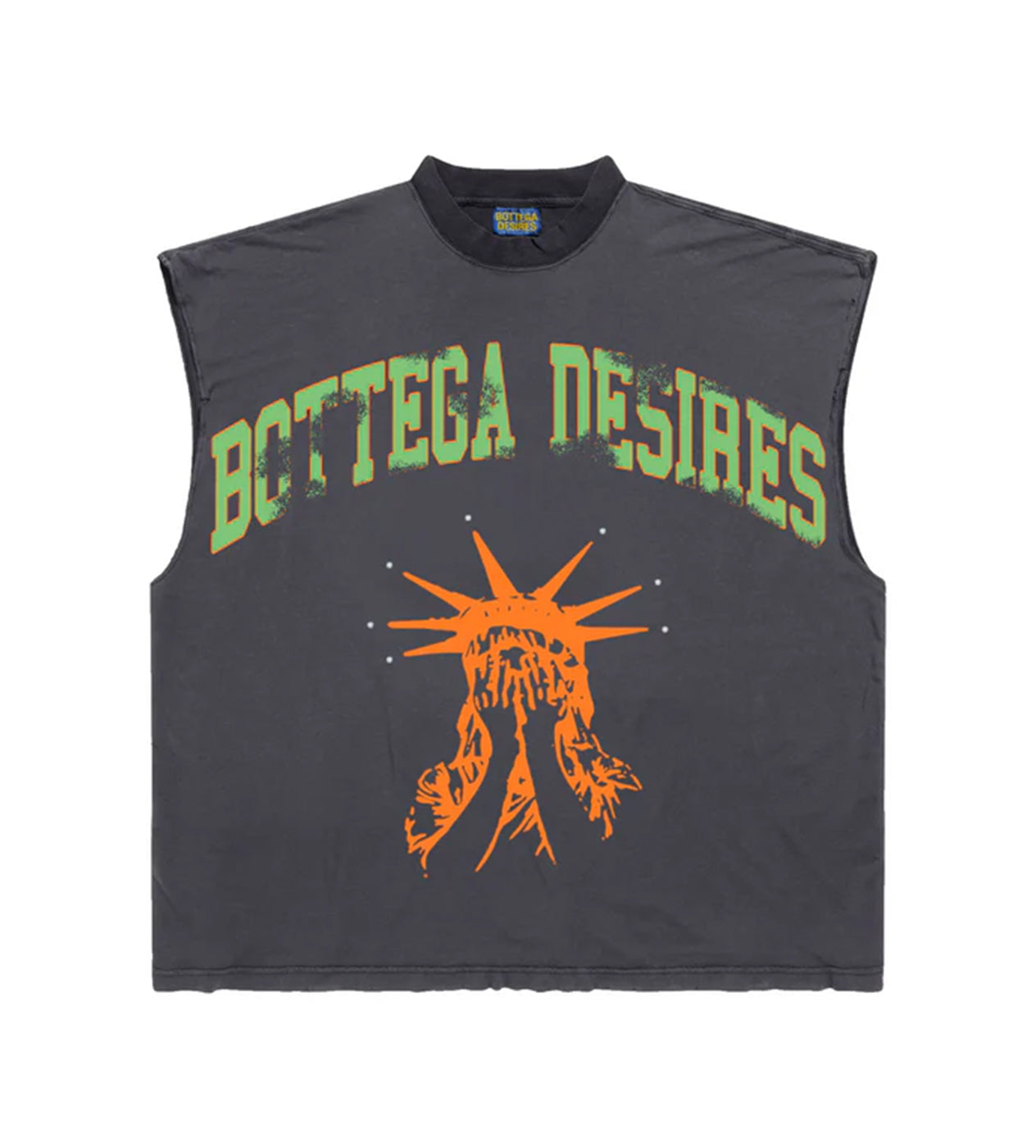
Public attention surrounding Bottega Desires has risen consistently since 2024, and by 2026 it has become one of the more talked-about labels in fashion spaces bordering streetwear. Customers land on the brand expecting an association with the Italian luxury house Bottega Veneta, then soon discover the brands have no connection working in entirely separate price brackets. This review breaks down what Bottega Desires really offers, how the garments perform, and whether the hype adds up to actual bang for your buck. We examined the shorts, shirts, hoodies, and the now-infamous jorts to build a well-rounded take. This isn’t paid promotion pretending to be unbiased — it’s a no-frills breakdown based on what the brand actually provides versus what it claims. If you’ve been hesitant to place an order, this should give you enough to decide.
What Exactly Is Bottega Desires?
So what is Bottega Desires, exactly? It’s an indie streetwear name that constructed its image around striking graphics, loose, oversized cuts, and a name that intentionally mirrors established luxury branding. The brand taps into online culture, puts out small-batch releases, and promotes aggressively through social platforms where younger shoppers already spend hours scrolling. Different from an established house with a long back catalog, Bottega Desires runs on faster release cycles — new collections released every few months rather than seasonal lines synced to fashion week schedules. The clothing itself sits in the casual-to-loungewear space: think hoodies, graphic tees, shorts, and jean-like garments rather than formalwear or coats. Pricing generally lands considerably beneath high-end price ranges, which is part of the draw for shoppers who want a bold piece without a botegadesires.org/shorts-sweatpants four-figure price tag. What the brand ultimately sells is attitude and exposure over legacy, and the brand is transparent about that once you get past the name itself.
The Name Confusion Explained
A huge portion of online search volume for this brand comes from shoppers googling « bottega desires vs bottega veneta » because the resemblance in names is no coincidence. Bottega Veneta is a renowned Italian leather-goods maker known for intrecciato weaving and price points that run into thousands of dollars per item. Bottega Desires has zero corporate, licensing, or design ties with that house at all. The connection exists only in wording — « bottega » just means workshop in Italian, and plenty of brands have adopted the term with no backlash. Where the confusion sets in is when brand imagery or fonts nudges close enough to the luxury brand’s aesthetic that buyers think the two are linked. Keep that in mind before ordering, because what you’re buying is streetwear design, not Venetian-level craftsmanship or any resale value tied to a luxury resale market. Evaluate the brand purely on its own merits and the whole situation makes a lot more sense.
Bottega Desires Garments: An In-Depth Look at the Collection
Rather than chasing an overstuffed lineup, the bottega desires clothes collection leans on a small set of recurring categories, which actually works in the brand’s favor for consistency. Graphic t-shirts and the bottega desires shirt options often display striking lettering designs or branding placements across the chest, aimed squarely at streetwear shoppers that wants to be noticed. That hoodie from bottega desires is arguably the label’s standout item — heavier weight cotton blends, dropped shoulders, and front pouch pockets show up across most iterations referenced in buyer feedback. Two main directions define the bottoms: the bottega desires shorts style, running in cotton or fleece fabric depending on the drop, alongside the bottega desires jort style, a denim short style that’s become something of a talking point online thanks to its exaggerated proportions. The palette shifts by season, with black, off-white, and washed denim tones appearing most frequently across listing images and customer posts. So shoppers hoping for a full wardrobe solution won’t find one here yet, since there’s no tailoring, no outerwear beyond hoodies, and no footwear line as of this review.
Notes on Fit and Sizing
Fit runs oversized across nearly every category, which is deliberate given the streetwear positioning, but it does mean new shoppers should go a size smaller if they want anything close to a regular fit. Especially the hoodie has drawn comments about box-cut proportions that create added bulk, so anyone sizing in-between should lean toward the smaller option. Compared to standard basics, shorts and jorts run a lengthier inseam, falling near the knee or slightly under on most body types. The shirts stick to the same oversized approach, with dropped shoulder seams that sit below a standard crew tee. None of this is unusual for streetwear as a whole, but it’s an important consideration if you’re ordering online without a fitting room. Reading size charts closely before checkout will spare you a return shipment nine times out of ten.
Assessing Quality: Fabric, Stitching, and Durability
Quality is the part shoppers actually argue about, apart from the name-based dispute. Most accounts describe the hoodie fabric as a medium-weight cotton-polyester blend, which keeps its structure decently through multiple wash cycles but doesn’t compare to premium fully heavyweight cotton fleece from higher-end streetwear labels. Stitching on seams appears consistent on most items examined, though double-stitching at stress points like pocket edges varies from one drop to the next. The jorts hold up better structurally than the softer shorts, since denim’s durability against wear beats cotton-blend fleece in the long run. Graphic prints on shirts tend to show minor cracking after 15-20 wash cycles when not flipped inside-out for washing, a widespread flaw in mass-market screen printing generally, not something exclusive to this label. Dark-colored garments keep their dye reasonably stable, while lighter off-white pieces show soiling faster and require more careful care. None of this points to poor craftsmanship, but it clearly places this belongs in the mid-tier casualwear category rather than luxury-level build quality.
What the Cost Really Pays For
Instead of measuring against irrelevant luxury benchmarks, the real question shoppers should ask is the balance between cost and quality. Part of the cost supports the striking visual identity that make these pieces recognizable online. Production runs through standard overseas cut-and-sew facilities common in streetwear, holding down unit costs while supporting regular small releases—a model that explains both the accessible price point and the occasional batch inconsistency some reviewers mention. Marketing spend is clearly substantial too, since much of the label’s exposure stems from influencer ties and social media rather than conventional retail placement. That trade-off is reasonable for shoppers wanting a statement piece at a lower cost than true luxury streetwear collabs, though anyone hoping for the tailoring polish of a decades-old pattern-making house needs to adjust their outlook.
Bottega Desires and Bottega Veneta: A Direct Comparison
Because this comparison keeps coming up in search queries, it’s worth spelling out directly rather than letting the mistaken association continue. The two labels sit in completely separate markets, price brackets, and design approaches, and what follows below spells out that divide in detail.
Category
Craving Bottega
Bottega Veneta
Market Segment
Streetwear / loungewear
Luxury leather goods & ready-to-wear
Origin
Recent independent label (2020s)
1966, Italy
Key items
Sweatshirts, tees, shorts, and jorts
Bags, footwear, tailoring, accessories
Price tier
Moderately priced casualwear
High luxury, four-figure and up
How it’s sold
Direct-to-consumer sales via social-media-led releases
Flagship stores and department-store counters
Signature design
Bold graphics, oversized fit
The Intrecciato weave paired with clean, minimalist lines
Any illusion of overlap, beyond the shared word in the name, evaporates once you compare them directly. One of the two bases its identity on immediate visual impact at a budget-friendly cost, while its counterpart trades on decades of craftsmanship and exclusivity. Both approaches have merit, but each answers completely different shopping needs. Should you be expecting the shorts or hoodie to hold resale value linked to the luxury house, this expectation won’t hold up. If you came here just wanting solid streetwear at a reasonable price, the comparison becomes far less relevant to your decision anyway.
Last Word: Is Bottega Desires Deserve a Purchase in 2026?
Having worked through the entire lineup — shirts, hoodies, shorts, and jorts — the honest answer is that the answer rests on what your buying goal is. Being a streetwear brand known for its bold graphics and a currently-trending oversized fit, Bottega Desires offers a fairly decent product for its price bracket. The fabric and stitching won’t rival premium heritage labels, but they hold up fine for regular rotation and casual wear across a typical year. Sizing runs generously large, so ordering true to your usual size versus sizing down is the single most important decision before checkout. Based on construction and unit-to-unit reliability, these two pieces stand out as the top performers in the current lineup. Just be upfront with yourself about what the name implies: this is a standalone streetwear label riding a naming similarity to a luxury house it has no relationship with, and once you grasp that, judging the actual clothes on their own merits becomes a lot easier.
Every serious player knows that the chip rack is more than a storage tray; it is a daily snapshot of momentum, floor traffic, and the stories shaping the gaming floor. The latest Casino news and updates show a market that is balancing record-breaking jackpots with tighter responsible-gaming tools, smarter table-game analytics, and a steady stream of property renovations. This edition of The Chip Rack Report sorts the signal from the noise, focusing on the details that matter to players, hosts, and operators alike.
The Chip Rack Report
The past few weeks have produced a clear theme: casinos are investing in the experience around the wager as much as the wager itself. Operators are upgrading loyalty apps, refreshing high-limit rooms, and using data to staff tables more efficiently. For players, that means better information, faster payouts, and more personalized offers. For the floor, it means every chip movement tells a story about demand, risk, and guest behavior.
What Players Are Watching
Jackpot momentum: Progressive prize pools continue to draw crowds, and smaller local properties are using guaranteed giveaways to compete with destination resorts.
Table-game transparency: More venues are publishing clear rules, side-bet odds, and dealer tips on their websites, which helps newcomers feel confident before they sit down.
Cashless convenience: Digital wallets and ticket-in, ticket-out systems are becoming standard, but players still want quick access to cash when they leave the floor.
Responsible play: Deposit limits, session reminders, and self-exclusion tools are now part of the mainstream casino conversation, not a footnote.
One practical takeaway from the latest Casino news and updates is that players should read the fine print on promotions before opting in. Free-play offers, tier credits, and drawing entries often carry playthrough requirements or time limits. A few minutes of review can protect a bankroll and make a weekend trip more enjoyable. For players comparing online and land-based options, resources such as freespin365 can help clarify bonus terms and keep expectations grounded.
Inside the Operator Playbook
Casino floors are also getting more surgical about staffing. Instead of opening every table at once, managers are tracking demand in real time and adjusting minimums throughout the day. The result is a floor that feels busier without feeling chaotic. High-limit players may see more reserved seating, while casual guests benefit from shorter waits and clearer signage.
Dynamic staffing: Supervisors move dealers to hot tables and rotate breaks around peak hours.
Targeted promotions: Offers are tied to play history, visit frequency, and local events rather than blanket discounts.
Faster verification: Digital ID checks and mobile check-in reduce friction at rewards desks.
Better food and beverage: Lounge upgrades and late-night menus keep guests on property longer.
The chip rack is a useful metaphor for this shift. A well-run rack is organized, visible, and ready for action. A well-run casino floor now works the same way: fewer bottlenecks, clearer information, and staff who can respond before a guest becomes frustrated. That is why the most successful updates are often the least flashy ones.
Regional Highlights
Destination markets are leaning into entertainment, with concert residencies and sports-viewing parties packaged alongside gaming. Regional properties are focusing on locals, offering weekday tournaments, shorter promotional windows, and loyalty perks that reward repeat visits. Tribal casinos continue to expand resort amenities, while racinos and card rooms are refining their table-game menus to appeal to younger guests.
For travelers, the smart move is to check property schedules before booking. Tournament times, table minimums, and rewards multipliers can change week to week. A quick review of official announcements and independent summaries is more reliable than social media rumors. The best Casino news and updates help players plan around real conditions rather than hype.
FAQ: The Chip Rack Report
What does “chip rack” mean in casino reporting?
It refers to the tray that holds chips at a table or cage. In this report, it is shorthand for the daily operational details that shape the player experience.
Are cashless casinos becoming more common?
Yes. Digital wallets, mobile sports betting integration, and ticket-in, ticket-out systems are expanding, though cash remains important for many guests.
How can players compare promotions safely?
Read the terms, confirm expiration dates, and check whether free play is restricted by game type. If an offer sounds too generous, verify it with the property before traveling.
What should operators prioritize next?
Clear communication, responsible-gaming tools, and staffing that matches real demand. These improvements build trust and keep the floor moving.
The next few months should bring more experimentation with loyalty programs, shorter promotional cycles, and data-driven floor management. Players can expect more choices and more fine print. Expect more property-specific campaigns, clearer odds displays, and shorter wait times as operators test what works. Players who track changes weekly will spot value faster than those who rely on outdated offers. The Chip Rack Report will keep tracking the updates that actually change the guest experience, one rack at a time.
JW8 is an online casino and sports‑betting platform that has been targeting South‑Asian markets for several years. The brand offers a mix of slots, live dealer tables, and a full‑featured sportsbook, all under one roof. For Bangladeshi users the site is presented in English, with a clean layout that works on both desktop and mobile browsers.
The platform is licensed by a European regulator, which means the games are regularly audited for fairness and the payout percentages (RTP) are in line with industry standards. While JW8 does not accept cryptocurrencies, it supports a range of local and international payment methods that are familiar to players in Dhaka, Chittagong and Narayanganj.
How to Register on JW8
Signing up for JW8 is straightforward. Click the “Register” button on the homepage, then fill in basic details: full name, email address, phone number, and a secure password. The form also asks for your date of birth – this is a legal requirement to confirm you are over 18.
After submitting the form, JW8 sends a verification email. Open the link inside the email to activate your account. Some users prefer to complete the verification by phone; a short SMS with a code will be sent to the number you entered. Once verified, you can make your first deposit and claim the welcome bonus.
Welcome Bonus and Ongoing Promotions
JW8 offers a tiered welcome package that is competitive in the Bangladeshi market. The first deposit is matched 100% up to BDT 10,000, with a 5x wagering requirement on the bonus amount. The second and third deposits receive smaller matches but still carry reasonable wagering conditions.
Beyond the welcome offer, JW8 runs weekly reload bonuses, free spins on new slot releases, and a loyalty programme that awards points for every bet. These points can be exchanged for cash or bonus credit, giving players a reason to stay active.
JW8 Welcome Bonus Overview
Deposit #
Match %
Maximum Bonus (BDT)
Wagering Requirement
1st
100%
10,000
5× bonus
2nd
50%
5,000
6× bonus
3rd
25%
2,500
7× bonus
Payment Methods for Bangladeshi Users
Depositing funds into JW8 can be done via several channels that are popular in Bangladesh. All methods support instant credit, so you can start playing right after you top up.
When choosing a payment option, consider the transaction fee and any conversion cost if you are paying in foreign currency. JW8 does not charge extra fees for most methods, but your bank or wallet provider may.
Bangladesh Debit/Credit Cards (Visa, MasterCard)
Bank Transfer through local banks (e.g., BRAC, Dutch‑Bangla)
Mobile wallets such as bKash and Nagad
International e‑wallets – Skrill, Neteller
Withdrawal Process and Speed
Getting your winnings out of JW8 is as simple as making a deposit, but there are a few extra steps to protect both you and the casino. After you request a withdrawal, the platform will run a quick KYC check if you have not completed it during registration.
Withdrawal speed depends on the method you choose. E‑wallets are the fastest, usually processed within 24 hours. Bank transfers can take 2–4 business days, while card withdrawals often sit at 48 hours. JW8 strives for “instant payouts” on most e‑wallet transactions, which is a big plus for players who like quick access to cash.
E‑wallets: 24 hours
Bank Transfer: 2–4 business days
Card Withdrawal: up to 48 hours
Mobile Experience and App
JW8’s website is fully responsive, meaning you can play directly from a smartphone browser without needing a separate download. The layout adapts to small screens, and the touch controls work well for slot spins and live dealer interaction.
For players who prefer a dedicated app, JW8 offers an Android version that can be sideloaded from the site. The app mirrors the desktop experience, with quick access to the sportsbook, live casino, and deposit options. iOS users can still enjoy the platform via Safari, which retains all functionalities.
Security, Licensing and Fair Play
Security is a major concern for online gamblers, and JW8 takes it seriously. All data transmission is encrypted with SSL 256‑bit technology, the same standard used by major banks. Your personal and financial information stays behind a secure firewall.
The casino operates under a licence from a respected European authority, which requires regular audits by independent testing labs. This ensures that game outcomes are random and that the RTP values are transparent. For Bangladeshi players, this licensing provides an extra layer of trust.
Customer Support and Responsible Gambling
JW8 offers 24/7 customer support via live chat and email. The live chat window appears at the bottom right of the screen, and agents typically respond within a minute. If you need help with verification, bonus terms, or technical issues, the support team can guide you step‑by‑step.
Responsible gambling tools are built into the account dashboard. You can set daily deposit limits, self‑exclude for a chosen period, or even close your account permanently. The platform also links to local helplines in Bangladesh for anyone who feels they need extra assistance.
For fans of live sports, JW8 even provides a dedicated page for JW8 live betting in Narayanganj, where you can place wagers on cricket, football and more, with real‑time odds updates.
Frequently Asked Questions
Is JW8 legal for Bangladeshi players?
Yes. While Bangladesh does not have a specific online gambling licence, JW8 holds a valid licence from a European regulator, which allows it to accept players from Bangladesh under international law.
What is the minimum deposit?
The smallest amount you can deposit is BDT 200, which is enough to qualify for the first‑deposit welcome bonus.
Can I play on JW8 without installing an app?
Absolutely. The website is fully mobile‑optimized, so you can gamble from any modern browser on a smartphone or tablet.
NBajee Official Website – Your Complete Guide to Online Casino in Bangladesh
Getting Started – Registration and Account Verification
First-time visitors to the NBajee official website will see a clean sign‑up button right on the homepage. By clicking it you are taken to a short form where you enter name, email, phone number and a password you can remember. After submitting the form, an activation link is sent to your inbox; click it and your account becomes live. From there you can log in and explore the lobby, but most withdrawals will be blocked until you finish the verification steps.
Verification, often called KYC (Know Your Customer), is simple but mandatory. You will be asked to upload a scanned ID card or passport plus a recent utility bill showing your address in Bangladesh. The team usually reviews the documents within a few hours, sometimes even minutes, and you get a notification once approved. Without this step you cannot claim bonuses or request payouts, so treat it as the gateway to full play.
Step‑by‑step Registration Process
Open the NBajee official website and click “Sign Up”.
Fill in personal details and choose a strong password.
Confirm your email via the activation link.
Log in and go to the “Verification” tab.
Upload ID and proof‑of‑address documents.
Wait for the approval email, then you are ready to deposit.
Bonuses and Promotions – What You Can Claim at NBajee
NBajee loves to reward new players, and the welcome package is the most eye‑catching offer on the site. When you make your first deposit you receive a 100% bonus up to BDT 10,000 plus 50 free spins for selected slot games. The bonus comes with a 30× wagering requirement on the bonus amount, which means you need to stake 30 times the bonus before you can withdraw any winnings.
Beyond the welcome deal, the casino runs weekly reload bonuses, cashback on losses and a loyalty program that upgrades you to “Silver”, “Gold” or “Platinum” status. Each tier gives faster withdrawal speeds and exclusive promotions. Keep an eye on the “Promotions” banner; the offers change every Monday and Friday.
Welcome Bonus – 100% up to BDT 10,000 + 50 spins
Weekly Reload – 50% up to BDT 5,000 on second deposit
Cashback – 10% of net loss returned every weekend
Loyalty Points – Earn 1 point per BDT 100 wagered
Game Selection – Casino, Live Casino, and Sports Betting
The NBajee official website offers a huge library of games sourced from big providers like NetEnt, Microgaming and Evolution. Slot enthusiasts will find classic three‑reel titles, high‑volatility video slots and progressive jackpots that can reach life‑changing sums. Table game fans can join blackjack, roulette, baccarat and poker tables with various betting limits.
Live casino is where the experience feels most like a real brick‑and‑mortar hall. Real dealers stream in HD, and you can interact with them via chat while placing bets on blackjack, roulette or game show‑style titles. Sports betting is also integrated, allowing you to wager on football leagues, cricket matches and even e‑sports, all from the same account.
Live Casino Highlights
Evolution’s live studio delivers smooth video, multiple camera angles and a chat window that lets you congratulate other players on big wins. The minimum bet for live roulette starts at BDT 50, which is friendly for beginners. If you prefer a faster pace, the “Speed Baccarat” tables cut the decision time to under ten seconds per hand.
Payment Methods – Deposits and Withdrawals for Bangladeshi Players
Depositing money into NBajee is straightforward. The site supports popular local methods such as bKash, Nagad and Rocket, as well as international cards like Visa, Mastercard and Skrill. Most deposits are instant, letting you start playing within seconds after confirming the transaction.
When it comes to withdrawing, the same channels can be used, but processing times differ. Card withdrawals usually take 1‑3 business days, while e‑wallets are often completed within 24 hours. The casino does not charge a fee on most withdrawals, though a small administrative charge may apply for bank transfers.
Method
Deposit Speed
Withdrawal Speed
Fees
bKash
Instant
24‑48 h
None
Visa/Mastercard
Instant
1‑3 days
None
Skrill
Instant
Up to 24 h
BDT 25
Bank Transfer
Up to 2 days
2‑5 days
BDT 50
To start playing, visit the NBajee official website and NBajee sign in online Sylhet. Choose your preferred deposit method, enter the amount and you are ready for the first spin.
Mobile Access – App and Browser Experience
Bangladeshi players who prefer gaming on the go will appreciate the fully responsive design of the NBajee official website. It works smoothly on Android and iOS browsers without the need for a separate download. All casino games, live dealer streams and sports betting markets are optimized for touch navigation.
If you want a native feel, NBajee also offers a lightweight app available from the Google Play Store. The app uses less data than the browser version and sends push notifications for new bonus drops. Regardless of platform, the same account balances, loyalty points and security measures are applied.
Security, Licensing and Responsible Gambling
Security is a top priority on the NBajee official website. All data transmissions are encrypted with SSL 256‑bit encryption, the same level used by banks. Passwords are stored as salted hashes, making them virtually impossible to crack even if the database were exposed.
The casino operates under a license from the Malta Gaming Authority, a well‑known regulator that enforces fair‑play standards and player protection. For responsible gambling, NBajee provides self‑exclusion tools, deposit limits and a hotline that connects you to local counseling services. If you ever feel the game is getting out of control, you can pause your account in a few clicks.
Customer Support – How to Get Help Quickly
If you run into trouble, the support team at NBajee is reachable 24/7 via live chat, email and telephone. Live chat usually answers within a minute, while email replies come within a few hours. For urgent matters, the phone line (+880 2 xxxx‑xxxx) connects you directly to a Bangladeshi‑speaking agent.
The FAQ section on the website covers most common questions, from deposit failures to bonus eligibility. When you contact support, keep your account ID and a clear description of the issue handy – this speeds up the resolution and avoids back‑and‑forth messages.
Live Chat – Instant, 24/7
Email – support@nbajee.homes (response < 4 h)
Phone – +880 2 xxxx‑xxxx (Bangla & English)
FAQ – searchable knowledge base
Frequently Asked Questions (FAQ)
What is the minimum deposit?
The lowest amount you can deposit is BDT 100 when using bKash or Rocket. Card deposits accept a minimum of BDT 200.
How long do withdrawals take?
e‑wallet withdrawals are usually processed within 24 hours, while card withdrawals may need 1‑3 business days.
Can I play on my mobile without installing an app?
Yes, the NBajee official website works perfectly on mobile browsers and offers a responsive design for a smooth experience.
Is the casino safe for Bangladeshi players?
Absolutely. With a Malta Gaming Authority license, SSL encryption and strict KYC procedures, the platform meets international security standards.